- 正在播放《欧洲的某个地方》HD中字 - 非凡播放①
- 提醒不要轻易相信视频中的任何广告,谨防上当受骗
- 技巧如遇视频无法播放或加载速度慢,可尝试切换播放节点或者切换解析
- 收藏免费短视频分享 - 蟆城影视网址:sk.mcbk.cn / sk.mcbk.cn ,记得收藏哟~
剧情:
Somewhere in the remote region, the war ends. In the midst of ruined cities and houses in the streets, in rural hamlets, everywhere where people still live, are children who have lost their homes and parents. Abandoned, hungry, and in rags, defenseless and humiliated, they wander through the world. Hunger drives them. Little streams of orphans merge into a river which rushes forward and submerges everything in its path. The children do not know any feeling; they know only the world of their enemies. They fight, steal, struggle for a mouthful of food, and violence is merely a means to get it. A gang led by Cahoun finds a refuge in an abandoned castle and encounters an old composer who has voluntarily retired into solitude from a world of hatred, treason, and crime. How can they find a common ground, how can they become mutual friends? The castle becomes their hiding place but possibly it will also be their first home which they may organize and must defend. But even for this, the price will be very high. To this simple story, the journalist, writer, poet, scriptwriter, movie director, and film theoretician Béla Balázs applied many years of experience. He and the director Géza Radványi created a work which opened a new postwar chapter in Hungarian film. Surprisingly, this film has not lost any of its impact over the years, especially on a profound philosophical level. That is to say, it is not merely a movie about war; it is not important in what location and in what period of time it takes place. It is a story outside of time about the joyless fate of children who pay dearly for the cruel war games of adults. At the time it was premiered, the movie was enthusiastically received by the critics. The main roles were taken by streetwise boys of a children's group who created their roles improvisationally in close contact with a few professional actors, and in the children's acting their own fresh experience of war's turmoil appears to be reflected. At the same time, their performance fits admirably into the mosaic of a very complex movie language. Balázs's influence revealed itself, above all, in the introductory sequences: an air raid on an amusement park, seen in a montage of dramatic situations evoking the last spasms of war, where, undoubtedly, we discern the influence of classical Soviet cinematography. Shooting, the boy's escape, the locomotive's wheels, the shadows of soldiers with submachine guns, the sound of a whistle—the images are linked together in abrupt sequences in which varying shots and expressive sharp sounds are emphasized. A perfectly planned screenplay avoided all elements of sentimentality, time-worn stereotypes of wronged children, romanticism and cheap simplification. The authors succeeded in bridging the perilous dramatic abyss of the metamorphosis of a children's community. Their telling of the story (the scene of pillaging, the assault on the castle, etc) independently introduced some neorealist elements which, at that time, were being propagated in Italy by De Sica, Rossellini, and other film artists. The rebukes of contemporary critics, who called attention to "formalism for its own sake" have been forgotten. The masterly art of cameraman Barnabás Hegyi gives vitality to the poetic images. His angle shots of the children, his composition of scenes in the castle interior, are a living document of the times, and underline the atmosphere and the characters of the protagonists. The success of the picture was also enhanced by the musical art of composer Dénes Buday who, in tense situations, inserted the theme of the Marseilaise into the movie's structure, as a motive of community unification, as an expression of friendship and the possibility of understanding. Valahol Europaban is the first significant postwar Hungarian film. It originated in a relaxed atmosphere, replete with joy and euphoria, and it includes these elements in order to demonstrate the strength of humanism, tolerance, and friendship. It represents a general condemnation of war anywhere in the world, in any form.
收起
在线观看
播放节点列表
量子②1
非凡播放①1
【HD中字】
官网同步更新,若有延迟请稍作休息再看看
官网同步更新,若有延迟请稍作休息再看看

相关影片

2026
电影
日本
HD中字
2025
电影
其它
一辆德国虎式坦克的五名车组成员被派往战火纷飞的前线后方执行一项秘密任务。在德军亢奋药物的刺激下,他们的任务逐渐变成了一场深入黑暗之心的旅程。
HD
2025
电影
法国
安德拉尼克·马奈 帕斯卡尔·雷内里克 Théo Delezenne Ryad Ferrad 伊娃·拉利耶 Lomane de Dietrich Mikael Don Giancarli 克莱芒丝·库隆 Fabio Caron Audrey Bonnet 克莱尔·博德森 苏菲‧卡达尼 Alphonso Scavo Immanuelle Shékina Isaure Bony Agoua Melvil de Waegenaire Tom Menanteau Alexandre Auvergne Serena
阿里曾是一位年轻的教师,他辞去了工作,却被父亲无情地赶出了家门。在感到迷茫和孤独之际,他重新找到了旧友,这一举动触发了他一段深刻的自我探索之旅。
HD

2024
电影
英国
HD
2025
电影
西班牙
HD
2025
电影
其它
HD

2024
电影
挪威
丽莎·洛文·孔斯利 伊内斯·霍伊塞特·艾瑟森 奥古斯特·维特根斯坦 马克·诺布尔 瓦特尼·布瑞恩 埃里克·黑维尔 马格努斯·杜格达勒 弗洛·法格利 马克斯·罗茨利 拉尔斯·贝尔格 埃斯彭·佩特鲁斯·安德森·莱尔瓦格 佩尔·恰尔斯塔德 埃里克·马德森 雅各布·马努姆·特鲁尔森 菲利普·海尔加 克里斯蒂安·哈尔肯 英维尔·霍尔特·拜格德内斯 乌尔里克·威廉·格雷斯利 本雅明·米勒 迈克尔·谢尔福德
来自吕坎的年轻学徒贡纳尔·索恩斯特比在纳粹德国入侵的当天决定进行抵抗,后来成为“奥斯陆帮”的领导者,执行了无数大胆的破坏行动,使他成为挪威最伟大的战争英雄。
HD
2025
电影
西班牙
HD
1990
电影
其它
鲍沃斯·布斯 柳博米拉斯·劳恰维丘斯 谢尔盖·尼科年科 费尔南多·阿连德 米哈伊尔·乌里扬诺夫 格特·容加斯 鲍里斯·涅夫佐罗夫 布鲁诺·弗雷因德利赫 亚历山大·戈洛博罗德科 Yevgeni Burenkov 费奥多尔·邦达尔丘克 卡尔·海因茨·乔恩斯基 欧克萨娜·范德拉 谢尔盖·加尔马什 瓦伦丁·格鲁本科 Andrei Grinevich 安德烈·古塞夫 Gerd Michael Henneberg 阿尔乔姆·卡拉佩强 季格兰·格奥萨扬 尼古拉·克留奇科夫 罗纳德·莱西 Horst Schulze La
本片反映勒第二次世界大战的历史转折点斯大林格勒战役,是一部极具历料及欣赏价值的巨作.是导演尤.奥泽洛夫的卫国战争三部曲的最后一部.1942年夏季,德军大举进攻苏联,苏军撒退到斯大林格勒进行顽强地抵
HD国语
1986
电影
香港
HD

2025
电影
大陆
更新至第07集
2024
电影
美国
Geena Alexandra Anton Bex Jessica DeBonville Fiona Dorn Mariana Jaccazio 奎顿·杰克逊 Samantha Long Sof Puchley Liana Ramirez 埃里克·罗伯茨 Flora Rubenhold Narisa Suzuki Sunny Tellone Gina Vitori
潜伏于白昼与深夜的恶意蠢蠢欲动,围绕在都市里人与人之间的冷漠自私,与从未察觉日常潜藏的问题与后果,日常无声的街巷、人声鼎沸的商圈、表面宁静的住宅大楼,透过每集不一样的都市场域,直窥种种细思极恐的核
HD中字

2025
电影
日本
HD中字

2024
电影
朝鲜
HD中字

2025
电影
西班牙
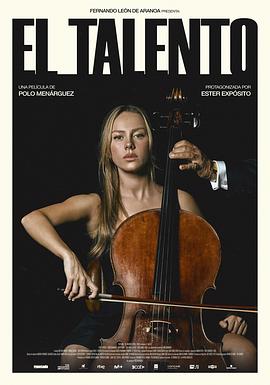
艾斯特·爱珀斯托 米蕾拉·巴里克 玛尔塔·阿莱多 Juan Pablo Fuentes 卡洛斯·苏亚雷斯 Itziar Manero 克拉拉·桑斯 Diego Niski 罗希欧·穆诺兹-科博 Eva Martín
The film tells the story of a promising cello student, who is enjoying the exclusive birthday part
HD中字
正在热播
更多
2025
电视剧
大陆
独家推荐
更新至第23集